Signs Your Septic System Needs Repair Before Major Damage Occurs
A properly functioning septic system is crucial for maintaining a safe and healthy home environment. Yet, many homeowners overlook the early signs of septic system failure until it’s too late. Septic problems can escalate quickly, leading to costly repairs, environmental hazards, and disruptions to daily life. Understanding the warning signs of system issues allows homeowners to address problems proactively, preventing significant damage and protecting both property and health. Regular maintenance, coupled with early detection, is the key to ensuring your septic system operates efficiently for years to come.
Detecting septic system issues early requires awareness and a keen eye for subtle changes in how your system behaves. From unusual odors and slow drains to pooling water and strange plumbing noises, these indicators are often the first clues that your septic system may be struggling. By recognizing and acting on these signs promptly, homeowners can avoid major failures, reduce repair costs, and maintain the integrity of their property. This blog explores the most common warning signals of septic system problems, explains what they mean, and provides actionable guidance to help prevent severe damage.
1. Slow Drains and Frequent Backups
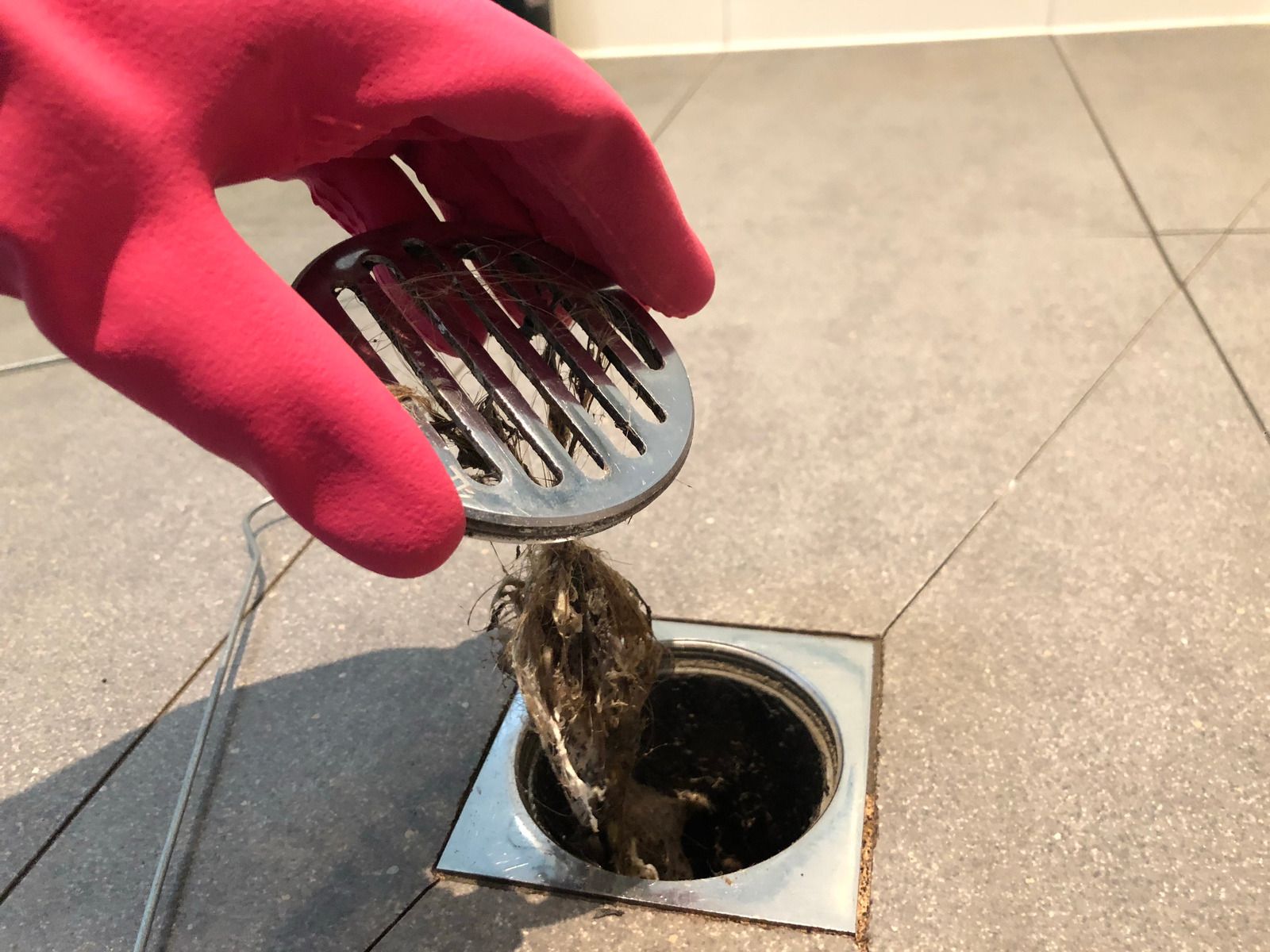
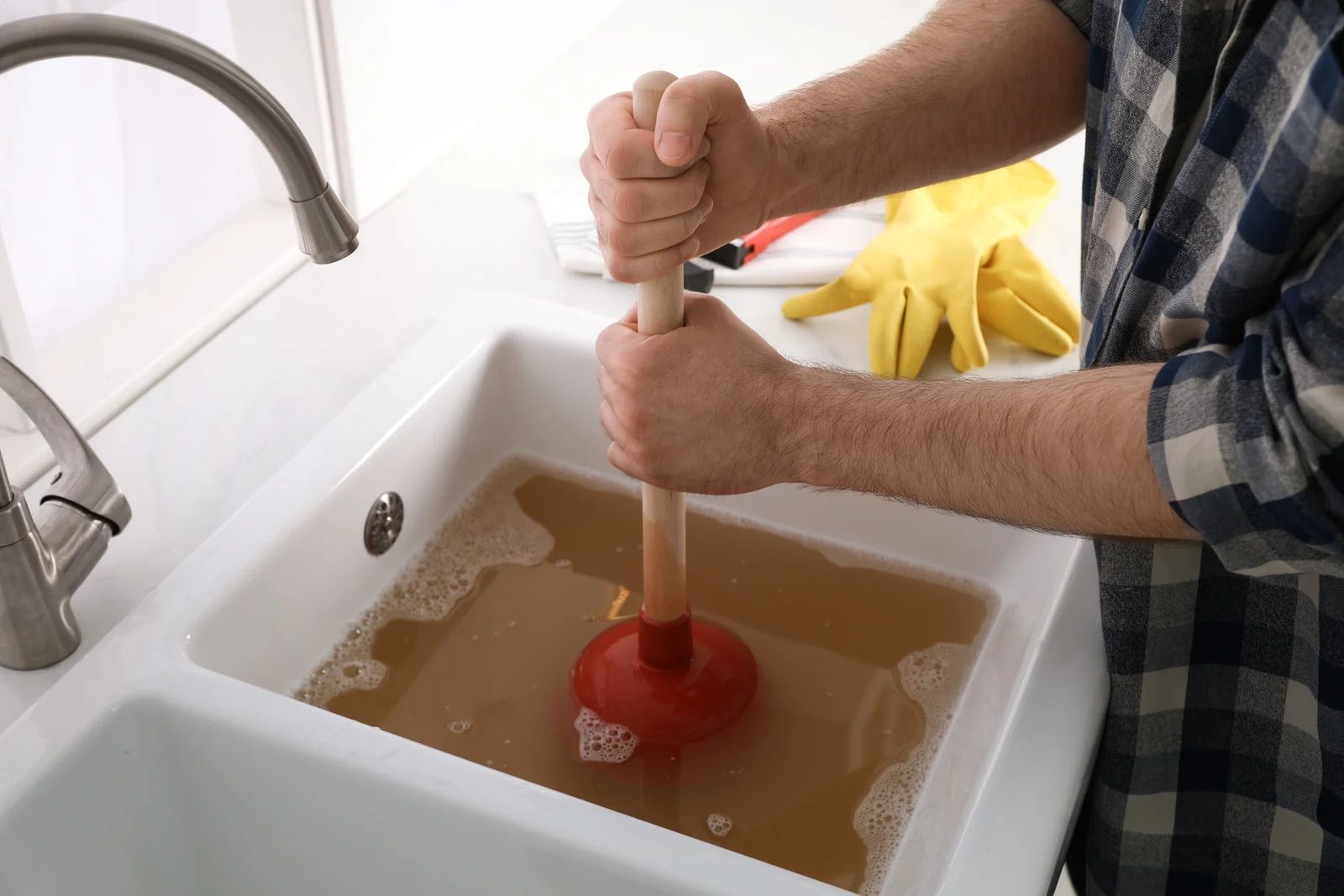
- Subtle Signs of Drainage Problems:- One of the earliest signs that a septic system is experiencing trouble is consistently slow drains. This can occur in sinks, showers, and bathtubs and may affect only one area of the home initially. While slow drains are sometimes attributed to clogged pipes, persistent drainage issues often point to a septic tank that is full or a malfunctioning drain field. Ignoring these early indicators can result in severe blockages or sewage backups into the home, creating health hazards and costly repairs.
- How Backups Signal Septic Issues:- Frequent backups, especially in lower-level plumbing fixtures such as basement drains or toilets, are a strong indication that the septic system is under stress. Backups may be caused by excessive solids accumulation, a failing baffle, or a blocked outlet pipe. Homeowners should treat these events seriously and consult a professional septic service immediately, as waiting for the problem to resolve on its own can lead to complete system failure.
- Real-World Scenario:- Imagine noticing that your kitchen sink drains unusually slowly every morning. Over a few weeks, the shower in the master bathroom starts to back up as well. These minor inconveniences are often the first signals of a larger problem, such as a nearly full tank or an impaired leach field. Addressing the issue at this stage typically involves tank pumping or localized repairs, avoiding more extensive and expensive damage later.
2. Unpleasant Odors Around the Property
Recognizing Septic Odors
Unpleasant odors near the septic tank, drain field, or even around the home can indicate a problem. Sulfur-like, rotten egg smells are commonly associated with hydrogen sulfide gases produced during the breakdown of waste in the tank. While some odors may be mild and intermittent, persistent foul smells suggest improper waste treatment or an overloaded system.
Potential Causes
Several factors can contribute to offensive odors. A failing drain field, venting issues, or cracks in the septic tank can allow gases to escape. These odors are not merely a nuisance—they also indicate that untreated wastewater may be seeping into the surrounding soil or even groundwater, posing environmental and health risks.
Best Practices for Homeowners
Homeowners detecting foul odors should avoid covering up the problem with air fresheners. Instead, scheduling a professional septic inspection is crucial. Technicians can assess the tank, check for leaks, and evaluate the drain field to prevent further complications. Proactive action can prevent contamination of the property, maintain hygiene, and protect family health.
3. Standing Water or Pooling in the Yard
- Identifying Saturated Areas:- If areas of the yard appear unusually wet or there are puddles forming above the drain field, this is often a clear sign of septic trouble. Standing water may indicate that the drain field is saturated and unable to absorb wastewater effectively. Over time, this can lead to soil erosion, damage to landscaping, and groundwater contamination.
- Common Causes of Pooling Water:- Excessive rainfall or improper grading can contribute to temporary pooling, but persistent wet spots typically point to septic system issues. Problems such as clogged pipes, a failing pump, or root intrusion can prevent wastewater from dispersing properly. If left unaddressed, the system may back up, creating potential structural damage to nearby buildings.
- Expert Insights:- Professionals recommend conducting regular yard inspections, especially in areas above the drain field. Homeowners should also avoid driving or placing heavy objects on these areas, as soil compaction can further impede absorption. Addressing small issues early can prevent extensive repair costs, preserve the yard’s condition, and extend the life of the septic system.
4. Unhealthy Vegetation Growth Over the Drain Field
Recognizing Unusual Plant Growth
A healthy septic drain field usually supports grass and other vegetation that looks similar to the rest of the yard. However, unusually lush or green patches may indicate that wastewater is rising to the surface. This nutrient-rich water can promote rapid vegetation growth, signaling that the system is failing.
Implications for the System
Excessive vegetation growth often points to cracks or blockages in the septic tank or pipes. It indicates that untreated wastewater is reaching the surface instead of being properly filtered by the soil. Ignoring this sign can result in contamination of soil and nearby water sources, posing health risks and potential regulatory violations.
Actionable Measures
Homeowners noticing excessive growth should consult a septic service provider for a detailed inspection. A thorough evaluation can determine whether tank pumping, pipe repairs, or drain field rehabilitation is necessary. Early intervention reduces the likelihood of costly emergency repairs and ensures environmental safety.
5. Gurgling Sounds and Plumbing Issues
- Plumbing Noise as a Warning Sign:- Gurgling or bubbling noises from toilets, sinks, or floor drains often indicate a septic system problem. These sounds typically occur when air is trapped in pipes due to partial blockages or improper flow within the tank. While plumbing noises may seem minor, they are frequently the first auditory sign of a more significant issue.
- Causes of Gurgling:- Common causes include a full septic tank, clogging in the lateral lines, or failing vent pipes. Air pockets form as wastewater struggles to pass through the system, creating the gurgling sound. Identifying the source quickly can prevent further complications, such as sewage backups or overflow in the drain field.
- Example Scenario:- Consider a homeowner who hears consistent gurgling in the bathroom every evening. Though inconvenient, addressing the problem promptly by contacting a septic professional can uncover a clogged outlet pipe or an overloaded tank. Corrective action at this stage is typically straightforward and far less expensive than repairing a collapsed drain field.
6. Sewage Backup in the Home or Yard
Understanding the Severity
Sewage backups represent one of the most critical signs that a septic system requires immediate attention. Backups can occur inside the home, particularly in toilets, sinks, or basement drains, or outside in the yard around the tank or drain field. Unlike slow drains or odors, sewage backups are urgent emergencies due to the immediate health hazards they pose.
Common Triggers
Sewage backups are often triggered by a combination of factors, including a full tank, damaged pipes, root intrusion, or drain field failure. Ignoring minor warning signs such as slow drains, odors, or pooling water increases the risk of sudden, severe backups.
Preventive Measures
Homeowners can minimize the risk of backups by scheduling regular inspections and septic pumping every 3–5 years, depending on household size and tank capacity. Limiting water usage, avoiding flushing non-biodegradable materials, and monitoring drain field performance also help prevent emergencies. Prompt professional intervention when initial signs appear significantly reduces the likelihood of full-scale system failure.
Trusted Experts Ensuring Your Septic System Safety
Septic system issues rarely announce themselves loudly, and many homeowners remain unaware until a small problem becomes a major crisis. Slow drains, unpleasant odors, standing water, lush vegetation, gurgling sounds, sewage backups, soil contamination, and changes in water usage are all critical warning signs that your septic system may need professional attention. Recognizing these signs early allows homeowners to take corrective action, reducing repair costs, preventing health hazards, and maintaining the long-term integrity of their property. Proactive maintenance and prompt intervention are the most effective strategies to avoid costly emergencies, extend the life of your system, and protect your home and environment.
For residents in Roseburg, Oregon, maintaining a healthy septic system is more than just a convenience—it’s a necessity. The Go 2 Guy Waste Water Specialist, with over 20 years of experience in drain services, provides expert inspections, timely repairs, and professional guidance to ensure your septic system operates efficiently. From detecting subtle early warning signs to performing comprehensive maintenance and emergency interventions, their team delivers reliable, trustworthy service tailored to each home’s unique needs.
Choosing a knowledgeable and experienced septic service provider is crucial. We combine industry expertise, hands-on problem-solving, and a commitment to customer satisfaction, ensuring homeowners receive effective, long-lasting solutions. Whether addressing slow drains, repairing a failing drain field, or preventing potential backups, they offer a proactive approach that saves time, money, and stress. Their professional team not only resolves current issues but also provides valuable advice to prevent future problems, reinforcing system reliability and peace of mind. For homeowners looking to safeguard their property and maintain a healthy septic system, partnering with The Go 2 Guy Waste Water Specialist
in Roseburg, Oregon, is a confident choice backed by decades of trusted experience.