Hydro Jetting vs Drain Snaking: Which One Your Roseburg Drain Actually Needs
The water in your kitchen sink climbs a little higher each week before it finally drains. You have already poured in a bottle of cleaner, run scalding water down the line, and maybe even fed a rental cable into the pipe, yet the slow gurgle keeps coming back. Now you are weighing two options that sound almost identical, and you cannot tell which one will end the problem. Here is the short version. Snaking clears a single clog quickly, while jetting scrubs the entire pipe wall clean. Picking the wrong one means paying for a visit that buys you a few weeks instead of a few years.
After clearing thousands of residential and commercial lines, the pattern is always the same. A drain that clogs once usually needs a snake. A drain that clogs again and again is telling you the pipe wall is coated or cracked, and that calls for water pressure, not a cable. The trick is reading what your drain is actually doing before anyone touches it, because the symptom points straight to the method that fixes it.
The Fast Answer Before You Call Anyone
Narrow down what you are dealing with before you commit to either method.
- Note how many fixtures are affected. One slow drain is local. Several at once points to the main line.
- Run water and listen. Gurgling in a nearby drain means air is trapped behind a deeper blockage.
- Check the lowest drain in the house. If it floods when you run an upstairs fixture, the main line is restricted.
- Stop pouring chemical cleaner. It rarely reaches a deep clog and it makes the line hazardous to work on.
TIP: Run the hot tap at the affected sink for two minutes. If the drain speeds up briefly then slows again, you are looking at grease or buildup coating the pipe, which a cable cannot remove. That one test points you toward jetting before anyone arrives.
WARNING: If sewage is backing up into a tub, shower, or floor drain, stop running water in the entire house immediately. A pressurized main line can push contaminated water up through the lowest opening, and running faucets only raises the level. This is a health hazard, not a slow drain.
How Drain Snaking Actually Clears a Line
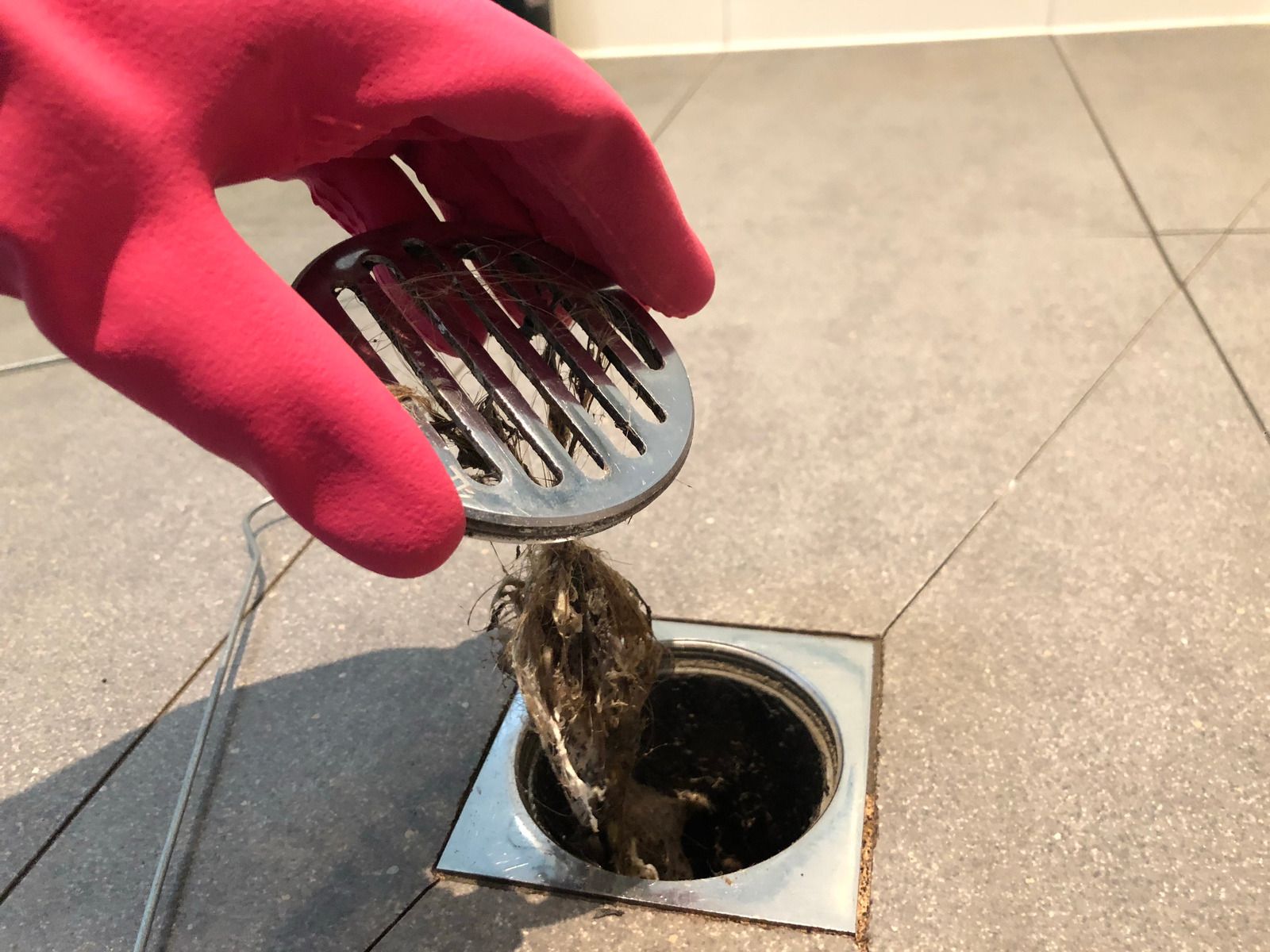
Snaking drives a flexible steel cable through the pipe until a cutting or hooking head reaches the clog. The motor spins the cable so the head bores through the blockage or grabs it and pulls it back out. It is fast, gentle on older pipe, and ideal for a single obstruction like a hair clog, a wad of wipes, or a soft mass within twenty feet of the fixture. The limitation is what it leaves behind. A cable punches a hole through the clog rather than cleaning the wall. When grease, soap scale, or sludge is coating the inside of the line, snaking opens a channel and water flows again for a while, but the coating stays and the clog rebuilds within weeks. For a true one time blockage, that is all you need. For a recurring one, it is a temporary patch.
How Hydro Jetting Actually Cleans a Pipe
Hydro jetting clears a line with water rather than steel. A hose feeds a specialized nozzle that releases water at very high pressure, commonly between sixteen hundred and four thousand pounds per square inch depending on the line. Forward jets cut through the blockage while rear facing jets pull the hose deeper and blast the pipe wall clean in every direction. The result is a pipe scoured back to its original diameter, not just a hole through the middle. That is why jetting handles what a cable cannot touch: hardened grease, mineral scale, compacted sludge, and fine roots threaded into the line. It does demand a healthy pipe. Aimed into cracked clay or badly corroded cast iron, that pressure can find the weak spot, which is why a camera inspection always comes first on an older line.
Match the Symptom to the Method
| What You Notice | Most Likely Cause | Better Method | First Step to Take |
|---|---|---|---|
| One sink slow, others fine | Localized clog near the fixture | Snaking | Clear the trap and try a hand snake |
| Several drains gurgling at once | Main line blockage | Hydro jetting | Stop using water and camera the main |
| Kitchen line clogs every few months | Grease coating the pipe wall | Hydro jetting | Schedule jetting with a camera check |
| Hair clog in shower or tub | Surface obstruction in the trap arm | Snaking | Pull the stopper and snake by hand |
| Slow drain returns days after snaking | Buildup the cable only punched through | Hydro jetting | Switch to jetting to scour the wall |
| Sewer smell with slow drains | Scale or root intrusion in the lateral | Jetting after inspection | Camera the lateral before any cutting |
| Toilet backs up when laundry runs | Shared branch or main restriction | Hydro jetting | Camera the main line first |
| Water rising at the cleanout | Main line near capacity | Hydro jetting | Call before the next backup |
| Older cast iron, clogs returning | Corroded pipe, narrowed bore | Inspect first, then choose | Camera before water goes in |
So Which One Does Your Drain Need
Reach for a snake when the clog is sudden, local, and tied to one fixture, especially in older pipe you would rather not stress. Reach for jetting when the problem keeps returning, affects more than one drain, or involves grease and roots that a cable only tunnels through. Sometimes a snake holds for years because the clog truly was a one off. Sometimes it masks a coated or root invaded line that fails again by next season. The way to tell them apart is a camera. Putting an eye inside the pipe shows whether you have a clean wall with a single obstruction or a narrowed, coated line that needs pressure to recover.
Keeping the Line Clear After
Once the line is clear, a little routine keeps it that way.
Monthly: flush each drain with very hot water and keep grease, coffee grounds, and food scraps out of the kitchen sink.
Quarterly: run hot water with a little dish soap through kitchen lines to keep grease moving, and clear hair from shower and tub stoppers.
Annually: have older laterals camera checked before the heavy rains arrive, since that is when root intrusion speeds up in the valley.
Long term: if your home sits near mature trees on clay pipe, plan a preventive jetting before roots fully reclaim the line rather than waiting for the next backup.
Mistakes We See Most Often
Reaching for chemical cleaner is the most common. It feels productive, but it rarely clears a deep clog and it corrodes older pipe while making the line hazardous for anyone working on it later. Hot water and patience are safer.
Renting a heavy cable and forcing it is the next. It is an understandable instinct, yet a powered cable in unskilled hands can crack a fitting or punch through fragile clay. When light hand snaking does not clear it, that is the signal to stop.
Choosing jetting blind is the third. Aiming high pressure water into a line without seeing its condition first can turn a cleaning into a repair. The camera always comes before the water.
Frequently Asked Questions
Can hydro jetting damage my pipes?
On sound pipe, calibrated pressure clears buildup without harm. The risk appears in cracked clay or heavily corroded cast iron, where the water can find a weak point. That is exactly why we camera inspect any older line before jetting it.
How often does a Roseburg home need drain cleaning?
Most homes do well with a line cleaning every couple of years. Older properties with clay laterals near mature trees often need a yearly root check, since wet Umpqua Valley winters push root growth straight into pipe joints.
Will a store bought snake fix my clog?
Sometimes, for a single soft clog close to the fixture. For grease, scale, or roots deeper in the line, a rental cable usually tunnels a hole and the clog returns within weeks rather than clearing the pipe wall.
Does jetting remove tree roots permanently?
Jetting cuts and flushes roots thoroughly, but they return through the same cracks that let them in. A lasting fix pairs jetting with sealing or repairing the damaged section so roots lose their entry point.
How do I know if the main line is the problem?
When several fixtures back up together, or the lowest drain floods while you run water upstairs, the main line is the suspect. Stop running water in the house and have the line camera inspected before it overflows.
Dependable Drain Work That Holds Through Wet Seasons
The principle that solves this every time is to match the method to what is actually clogging the pipe, and the only way to know is to look inside it first. That matters more here than in drier regions, because Roseburg sits in a valley where long wet seasons, mature trees, and aging clay laterals send the same clogs back again and again until the pipe wall itself is cleaned or repaired. If your drain keeps slowing down, gurgling, or backing up, we can camera the line, tell you honestly whether a snake or a hydro jet is the right call, and provide drain cleaning services to clear it properly the first time. The Go 2 Guy Waste Water Specialist has served Roseburg, Oregon for over 20 years. Reach out when the same drain stops twice.