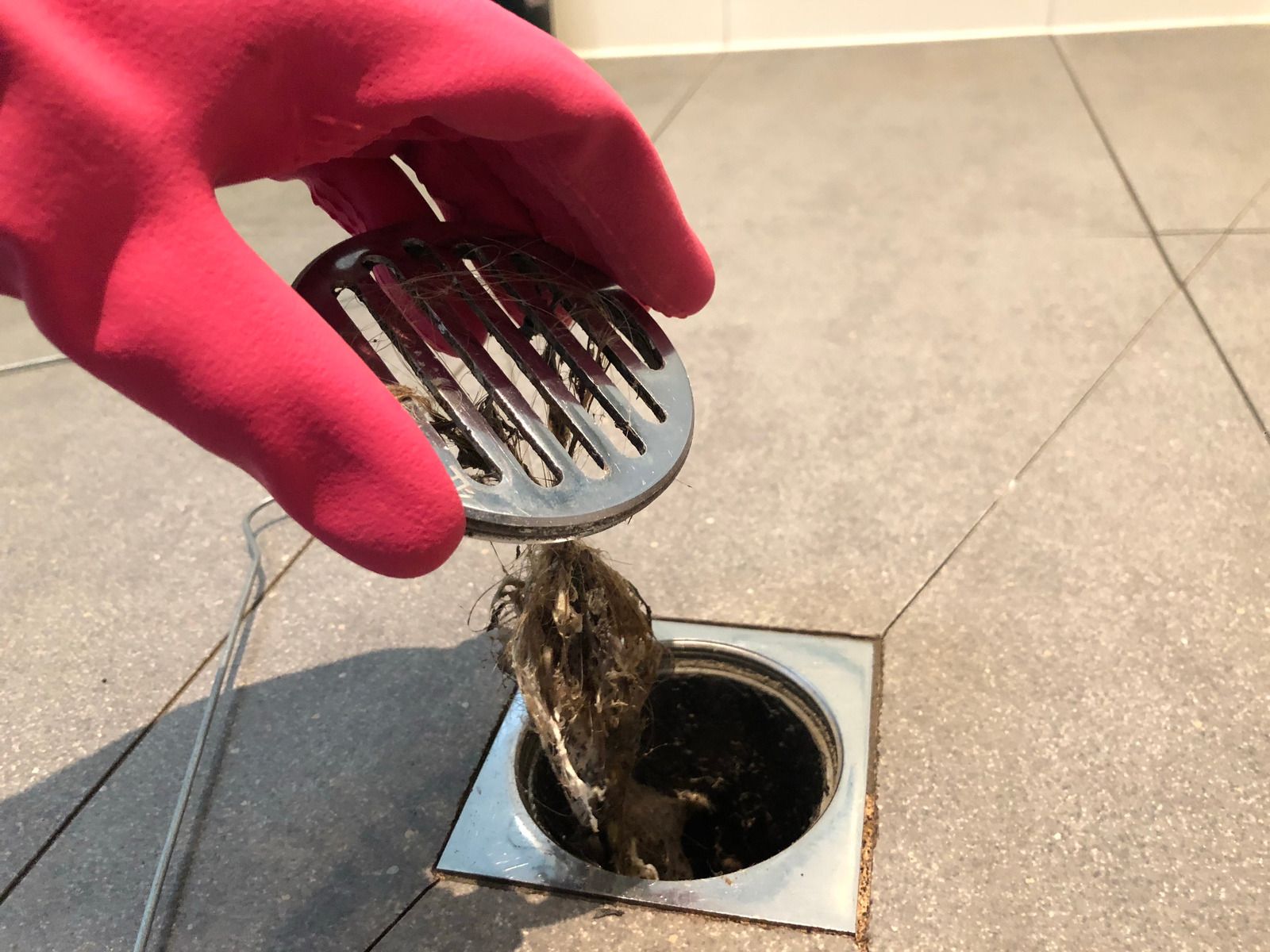
Multiple Drains Backing Up at the Same Time? Why It's Not Just One Clog
Quick Answer: When multiple drains back up at the same time, the problem is almost never a single clog at one fixture. It points to something shared and downstream — the main line that carries everything to your septic tank, a full or filter-clogged tank, or a drainfield that has stopped accepting water. Because every drain in the house feeds one common path, a restriction there shows up at several fixtures at once, usually the lowest ones first. The fix starts with finding where in that path the flow is stalling, not plunging one drain over and over.
It usually starts small. You run the washer and the toilet down the hall gurgles. You flush and water rises in the shower. The kitchen sink drains slow, then the bathroom sink does the same, and by the time the lowest drain in the house starts pushing water back at you, it is clear this is not one stubborn clog. Out here in Douglas County, where most homes run on a private septic system instead of a city sewer, that pattern is a familiar sight, and it means something different than a single slow sink.
A single slow fixture is almost always a local problem in that one drain line. But when several fixtures act up together, the trouble has moved somewhere they all share. Understanding why that happens, and what it points to, is the difference between chasing the wrong drain all weekend and actually getting the water moving again.
One Slow Drain vs. the Whole House Backing Up
The key to reading this problem is understanding how your home's drains are laid out, because that layout is exactly why several fixtures fail at the same time.
Your drains share one path
Think of your home's drainage like a tree. Each sink, tub, shower, and toilet has its own small branch line, and every one of those branches feeds into a single trunk: the main line that carries all the wastewater out of the house and down to your septic tank. When a clog forms in a branch line, only the fixture on that branch is affected, and everything else drains fine. But when the restriction sits in the trunk everything shares, or anywhere downstream of it, the whole house feels it at once.
Why several fixtures fail together
When wastewater cannot get past a restriction in that shared path, it has nowhere to go. It backs up until it finds the lowest opening available and rises there first. That is why a basement floor drain, a downstairs shower, or the lowest tub in the house tends to show trouble before the fixtures upstairs do. Gravity decides the order. Water that cannot leave the system takes the path of least resistance back up, and the lowest fixtures are the first exits it reaches.
So the number of affected drains is your best early clue. One drain points you at one pipe. Two or more, especially spread across different rooms, point you past the fixtures entirely and toward the line, the tank, or the field.
The Tells That Point Downstream, Not at One Fixture
Before you touch a plunger, the symptoms themselves tell you whether you are dealing with a shared problem. A few patterns are close to a signature.
Flush-and-gurgle crossover
This is the clearest sign of a shared blockage. You flush a toilet and water bubbles up in a nearby tub or shower. You run the washing machine and a sink or toilet starts to gurgle or overflow. When using one fixture makes a different fixture react, the wastewater has nowhere clean to go and is being forced sideways into the next available drain. That crossover almost always means the restriction is in the main line, not in either fixture.
The lowest drains go first
Pay attention to where the water actually shows up. If the trouble concentrates at the lowest points in the house while upstairs fixtures still limp along, that is the shared path filling from the bottom up. A floor drain that starts weeping or a ground-floor shower that will not clear is often the first physical evidence of a downstream backup.
Gurgling and odor arriving together
Bubbling noises are trapped air escaping past a partial blockage as water struggles by. When that gurgle comes with a sewer smell drifting up from the drains, the system is telling you flow is restricted somewhere it cannot vent properly. One noisy drain can be a vent quirk. Several drains gurgling with an odor is a system-wide message.
TIP: Before you call anyone, take thirty seconds to note the pattern. Which fixtures are slow, which room they are in, whether the lowest ones went first, and whether flushing one drain affects another. That short list tells a specialist whether to look at a branch line, the main line, or the tank, and it can turn a long guessing game into a targeted check.
What's Actually Blocking the Shared Path
Once the symptoms point downstream, the cause is usually one of a handful of things. On a septic property, the list is a little different than it would be on city sewer, because your tank and drainfield are part of the path too.
A blockage in the main line
The main sewer line serves every fixture in your home, so any restriction affects the entire plumbing system. Tree roots, grease buildup, flushed wipes, pipe sags, or collapsed sections can slow or stop wastewater flow completely, causing multiple drains to back up together instead of independently.
A full septic tank
An overfilled septic tank is among the most common causes of whole-house drainage problems. As sludge and scum accumulate, wastewater loses space to separate and flow toward the drainfield. Regular pumping, typically every three to five years, prevents backups and keeps the septic system operating efficiently.
A clogged effluent filter
Many septic tanks include an effluent filter that prevents solids from entering the drainfield. Over time, this filter can become packed with debris, restricting wastewater flow from the tank. The resulting slowdown affects every drain and closely resembles the symptoms of a completely full septic tank.
A drainfield that has stopped accepting water
When the drainfield cannot absorb treated wastewater, drainage slows throughout the house. Heavy rainfall may temporarily saturate surrounding soil, while persistent backups during dry weather often indicate a failing drainfield, clogged soil biomat, or long-term absorption problem requiring professional evaluation and corrective action.
A blocked plumbing vent
Roof plumbing vents admit air that allows wastewater to drain freely. When blocked by leaves, bird nests, or debris, the system develops vacuum pressure that slows drainage and creates gurgling sounds throughout the home. Although symptoms resemble septic issues, the repair involves clearing the vent.
How the Problem Actually Gets Found
Because so many different faults produce the same house-wide symptom, sorting it out takes looking, not guessing. The smart approach works down the shared path from the simplest, closest causes toward the more involved ones.
A specialist starts by reading the same clues you gathered and checking the obvious: is the vent clear, when was the tank last pumped, is the effluent filter packed. From there, an HD video scope camera sent into the line shows exactly what is happening underground, whether it is roots, grease, a bellied section, or a crack, and does it without digging up the yard to find out. Electronic line locating pinpoints where the pipe actually runs and where the trouble sits, so any work is aimed at the right spot. At the tank, checking the sludge and scum levels confirms whether an overdue pumping is the whole story or just part of it.
What you end up with is the actual location and cause, which decides the fix. A main line packed with grease or roots may call for hydro jetting, which scours the pipe walls with high-pressure water rather than just poking a hole through the blockage. A full tank needs pumping. A clogged filter needs cleaning. A saturated field needs the water load eased and, if it is a lasting problem, a closer look. Any repair that touches the tank or drainfield also runs into your county's onsite wastewater rules, so treat the specific permitting and code questions as items to confirm with the Douglas County health department rather than assumptions to make on your own. The point is that measurement replaces guesswork, and you fix the thing that is actually wrong.
When Several Drains Back Up at Once
Multiple drains failing together is your plumbing's way of telling you the problem has left any single fixture and moved to the path they all share. The order the drains go, the crossover when one fixture affects another, and the gurgle and odor arriving together all point downstream to the main line, the tank, or the field. Resetting your patience with a plunger or a bottle of cleaner does not reach the real restriction, and on septic a chemical cleaner can make matters worse. The right move is to stop adding water, note the pattern, and get the shared path looked at so the actual blockage is found and cleared rather than guessed at. An experienced septic and drain specialist reads exactly these signs every week, and can tell a full tank from a rooted line or a saturated field before a shovel ever comes out.
Schedule a downstream diagnosis — When several drains back up at the same time, the blockage is in the shared path to your septic system, and the longer wastewater has nowhere to go, the closer it gets to coming up inside your home. The Go 2 Guy Waste Water Specialist, serving Roseburg, Oregon with 20
years of experience, tracks the problem down with HD video scope inspection, electronic line locating, and a tank and filter check to pinpoint whether it is the main line, the tank, or the drainfield, then clears it with the right method instead of guesswork. Reach out to get the whole-house backup found and moving again before it overflows indoors.