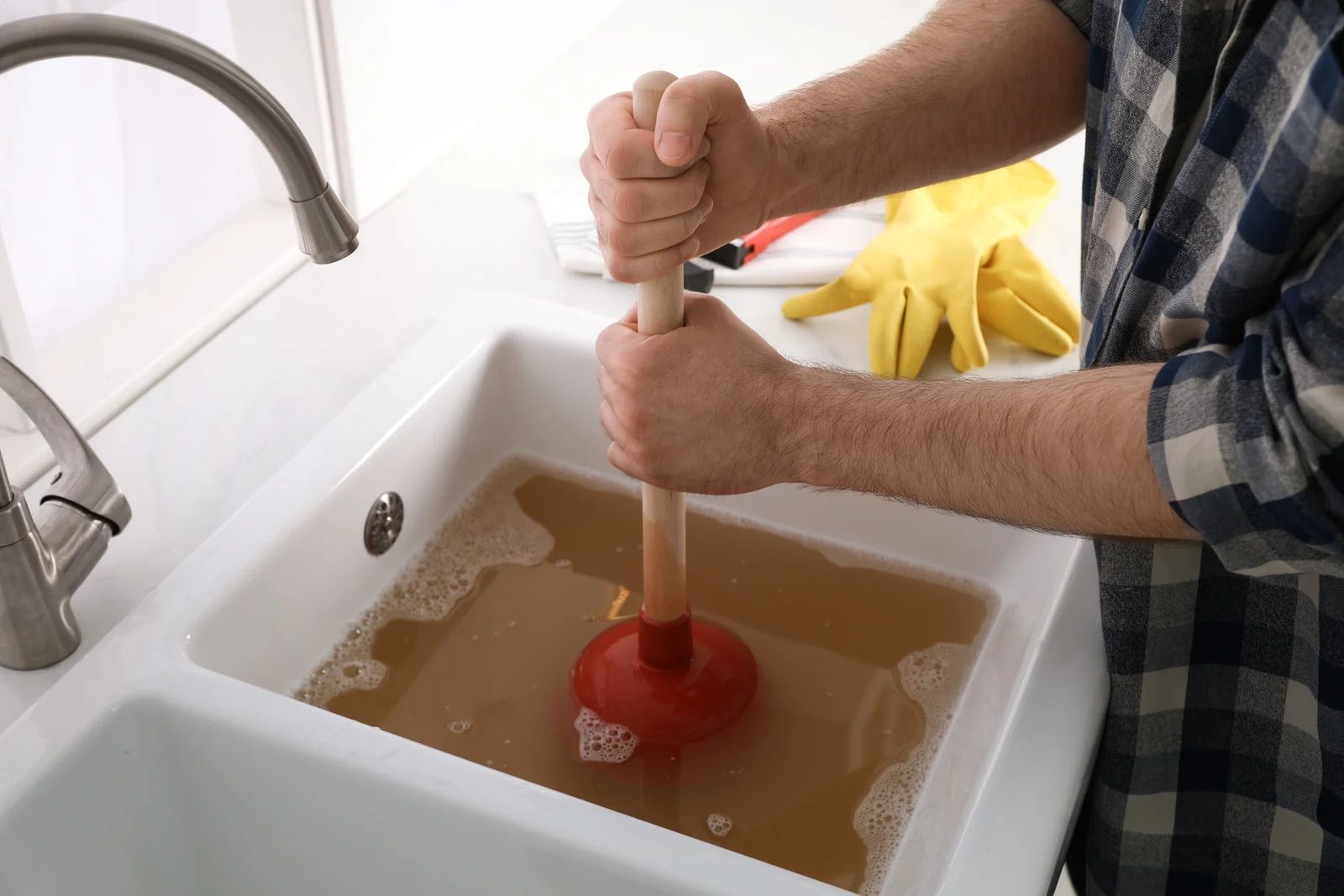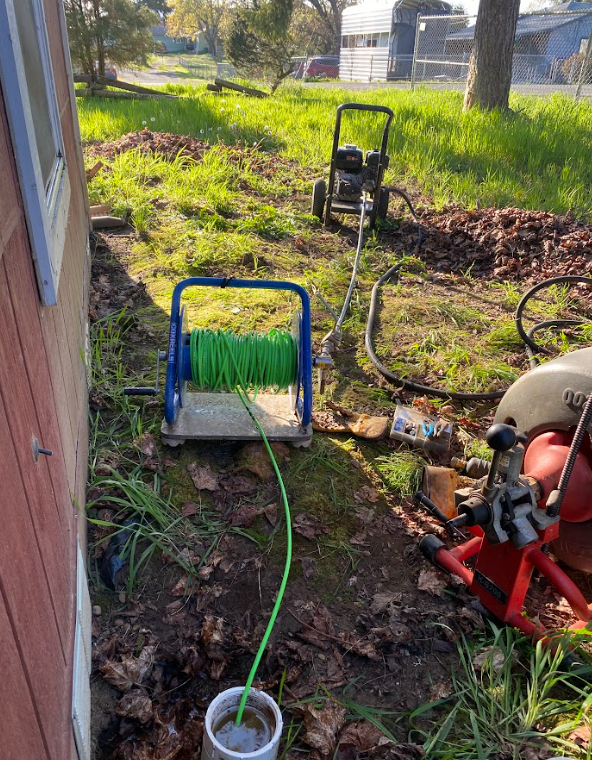
Sewer Smell Coming From the Floor Drain? Where the Odor Sneaks In
Quick Answer: A sewer smell coming from a floor drain almost always means the water seal that's supposed to block that odor has gone dry or has been pulled out by suction elsewhere in the plumbing system. Every floor drain relies on a small reservoir of standing water sitting in a bent section of pipe underneath it. That water blocks gas from the sewer or septic line below from rising up into your garage, basement, or utility room. When the drain sits unused for weeks, that water evaporates. When venting elsewhere in the house pulls it out through suction, the same gap opens. Refilling the trap solves it in minutes if evaporation is the cause; a recurring smell that keeps coming back points to something pulling the water out on its own.
You walk into the garage or step down into the utility room and there it is, a faint but unmistakable rotten-egg, swampy smell with no obvious source. Nothing's backed up. No water on the floor. Just that odor hanging in the air near the floor drain in the corner. It's an easy thing to shrug off as "an old house smell," but that drain is trying to tell you something specific about a gap that opened up between your living space and the wastewater line running underneath it.
Why Floor Drains Are the First Place a Sewer Smell Shows Up
Floor drains sit in a different category than the sinks and tubs you use every day. They're typically installed in garages, basements, laundry rooms, and utility closets, spaces meant to catch an overflow, a washing machine leak, or water tracked in from outside. Because of that job, most floor drains go weeks or months without a drop of water passing through them on purpose.
That gap in use is exactly why floor drains are usually the first fixture in a house to give off a sewer odor. Every drain in your plumbing system, whether it's a kitchen sink or a floor drain in the garage, depends on a trap: a U- or P-shaped bend in the pipe that holds a small amount of standing water. That water sits there as a physical barrier, sealing off the drain opening from the gas sitting in the pipe below. A sink gets used daily, so the trap refills itself every time you run water. A floor drain that nobody touches for a month has no reason to refill, and the water sitting in that bend is slowly losing ground to evaporation the entire time.
The Water Seal Running Dry Is the Most Common Cause
How Evaporation Empties A Trap
Standing water in an open pipe evaporates the same way a puddle on the driveway dries up, just far more slowly because the trap sits below floor level, shielded from sun and airflow. Even so, a few months of no use is often enough to drop the water level below the point where it still blocks the pipe. Once that seal breaks, there's an open, unobstructed path from the drain line straight up into the room.
Why Garages And Basements Are Especially Prone To It
These spaces tend to have floor drains that see the least regular use in the whole house. A drain that only gets water when someone hoses down the garage floor or the washing machine overflows might go a full season with nothing running through it. In a lot of homes around Roseburg and out through Douglas County, garages double as workshops or storage, which means that drain can sit dry far longer than anyone realizes until the smell shows up.
The Fix, When This Is The Cause
Pouring roughly a quart of water down the drain re-establishes the seal almost immediately, and the smell should clear within minutes. If the odor comes back within a few weeks, evaporation alone likely isn't the whole story, and something else is pulling that water out faster than normal evaporation would explain.
TIP: For a floor drain you know gets little use, pour a cup or two of water down it every month or so, and add a tablespoon of cooking oil on top of the water. The oil forms a thin film that slows evaporation from the surface, which stretches the time between refills considerably.
When Something Is Actively Pulling the Water Out
A trap that keeps losing its seal every few weeks, even with occasional water added, usually isn't drying out from simple evaporation. Something in the system is siphoning the water out.
Self-Siphoning During Heavy Use Elsewhere
Every drain trap needs a vent, a pipe that lets air into the system as water rushes out, keeping pressure roughly equal on both sides of every trap in the house. When a nearby fixture drains a large volume of water quickly, like a washing machine emptying its tub or a tub draining after a bath, and the venting for that section of the system is inadequate, it can create a brief vacuum strong enough to pull water out of a neighboring trap, including a floor drain tied into the same branch line. This kind of siphoning tends to happen consistently after the same event, so if the smell shows up like clockwork after laundry day, that's a strong clue.
A Partially Blocked Vent Stack
The pipe that vents your drain system to the outside, usually running up through the roof, can get restricted by debris, leaves, or even a bird's nest. When that happens, the whole system loses some of its ability to equalize pressure, and traps throughout the house, floor drains included, become more vulnerable to getting pulled dry during normal use elsewhere.
Negative Pressure From Wind Or Barometric Shifts
Less commonly, wind moving across a vent opening on the roof can create just enough draw to pull air, and eventually trap water, out through the system over time. This tends to affect drains that already sit close to their evaporation limit, tipping them over the edge faster than they'd otherwise dry out.
Biofilm and Residue Can Add Their Own Odor Layer
Not every floor drain odor traces back purely to a dry trap. Even with the water seal intact, the inside of a rarely used drain pipe can develop a sticky, slime-like coating made up of bacteria and organic residue, commonly called biofilm. This layer builds up from whatever passes through the drain over time, soap, dust, hair, and moisture, and it clings to the pipe walls above the water line.
Why This Smell Is Different
Biofilm produces its own musty, swampy odor as the bacteria living in it break down organic material, and that smell can linger even right after the trap has been refilled with fresh water. If pouring water down the drain knocks the smell back for a day or two but it returns even though the trap should still be full, biofilm coating the upper pipe walls is a likely contributor rather than a dry seal.
What Clears It Out
A thorough cleaning of the drain opening and the accessible section of pipe, using a stiff brush and hot water, removes a meaningful amount of surface buildup. For a drain that's gone a long stretch without any attention, a full interior cleaning reaches material sitting further down than a household brush can access.
A Damaged or Missing Trap Component
But sometimes the issue isn't evaporation or siphoning at all. It's a physical problem with the drain assembly itself. Floor drains often include a removable strainer or grate, and some styles include a rubber gasket or a mechanical trap seal device fitted into the drain body. If that component is missing, cracked, or was never seated correctly during a prior repair, gas can find its way past even a trap that's holding water below it.
WARNING: Don't assume a lingering odor is "just an old trap" and try to mask it with air fresheners or drain deodorizers placed near the fixture. Those products cover the smell without addressing whether gas is actually finding a path into the room, and a floor drain with a compromised seal or a cracked trap arm can keep leaking odor indefinitely until the actual gap gets found and closed.
Homes with older floor drain hardware, or ones where a drain was reworked during a remodel, are more likely to have a seating or gasket issue than a home with newer, unmodified plumbing. If refilling the trap and cleaning the accessible pipe don't resolve a persistent smell, a hardware problem at the drain itself is worth ruling out next.
When the Smell Points Further Down the Line
If a floor drain keeps smelling no matter how often you refill or clean it, and especially if you're also noticing a faint odor near other drains or outside near where your septic tank sits, the source may not be the floor drain at all. A partially full septic tank, a restriction in the main line leaving the house, or standing water in a drainfield that isn't accepting flow the way it should can all push gas back up through the path of least resistance, which is often the floor drain simply because it's the lowest, least-used opening in the system. Out here, where wet winter months keep the ground saturated for long stretches, drainfields and main lines carry more of that seasonal burden than they do in a drier climate, and floor drains are usually the first place that pressure shows up as odor rather than as a visible backup.
Distinguishing a simple dry trap from a system-wide issue usually comes down to pattern. A dry trap smells consistently until refilled, then goes quiet for a while. A downstream problem tends to come and go with rainfall, water use elsewhere in the house, or how recently the septic tank was serviced, and it often shows up as a faint odor near more than one fixture rather than staying isolated to the floor drain.
Frequently Asked Questions
How much water does it actually take to refill a dry floor drain trap?
Roughly a quart to a half gallon poured slowly down the drain usually restores the water seal within minutes. Pour it in stages so it settles into the trap instead of running straight through the pipe.
Is sewer gas from a dry floor drain trap dangerous to breathe?
A brief whiff from a dry trap in a well-ventilated garage is usually more unpleasant than hazardous, but sewer gas isn't something to get used to. A drain that keeps smelling despite refilling deserves a closer look.
Why does my floor drain only smell in the summer?
Warmer temperatures speed up evaporation from standing water, including the water in a trap. A drain holding its seal through winter can dry out much faster once weather turns warm, especially in a garage without climate control.
Can I install something that keeps the trap from drying out on its own?
A trap primer is a small device plumbed into a nearby water line that automatically releases water into the trap on a schedule or when triggered elsewhere, keeping the seal maintained without needing to remember it.
Should I be worried if the smell shows up right after heavy rain?
That pattern is worth paying attention to, especially on a private septic system. Saturated ground can slow how quickly a drainfield accepts water, and that backpressure often shows up first as odor at the lowest, least-used drain.
What Your Floor Drain Smell Is Telling You
A sewer smell at a floor drain almost never means something is seriously wrong with the house. Most of the time it's a trap that dried out from weeks of disuse, and pouring water down the drain settles the question within minutes. When the smell keeps returning, the pattern points to the cause, whether that's venting pulling water out during heavy use elsewhere, biofilm building up above the seal, or a gasket that never sat right after a past repair.
The Go 2 Guy Waste Water Specialist
has spent 20
years tracing odors like this back to their actual source across Roseburg, Oregon, and the same troubleshooting order applies every time: check the trap, look at the venting, rule out biofilm and hardware, then consider what's happening further down the line. A smell that keeps coming back is rarely random, and treating it as a puzzle to solve quietly beats treating it as a mystery to live with.